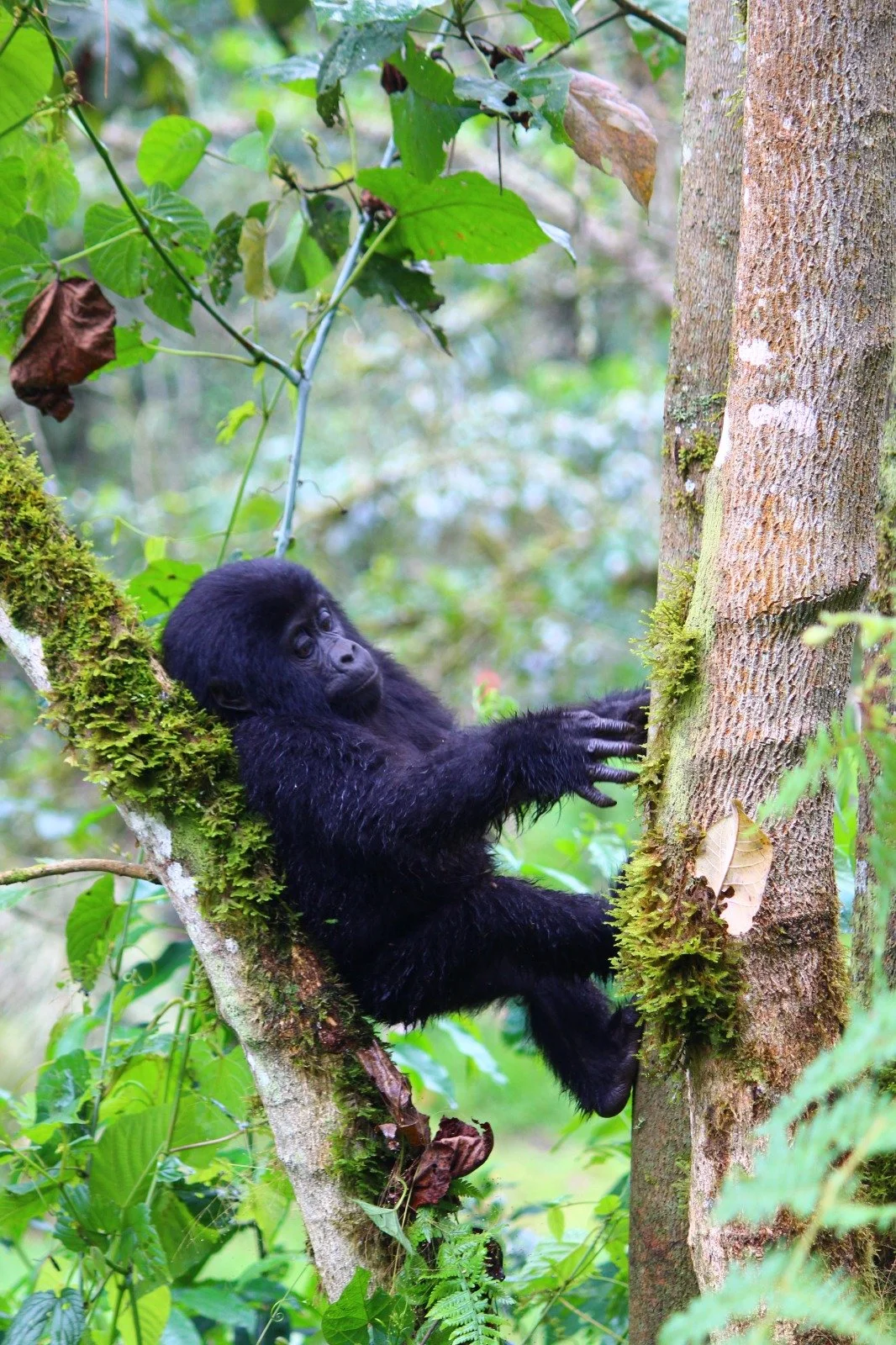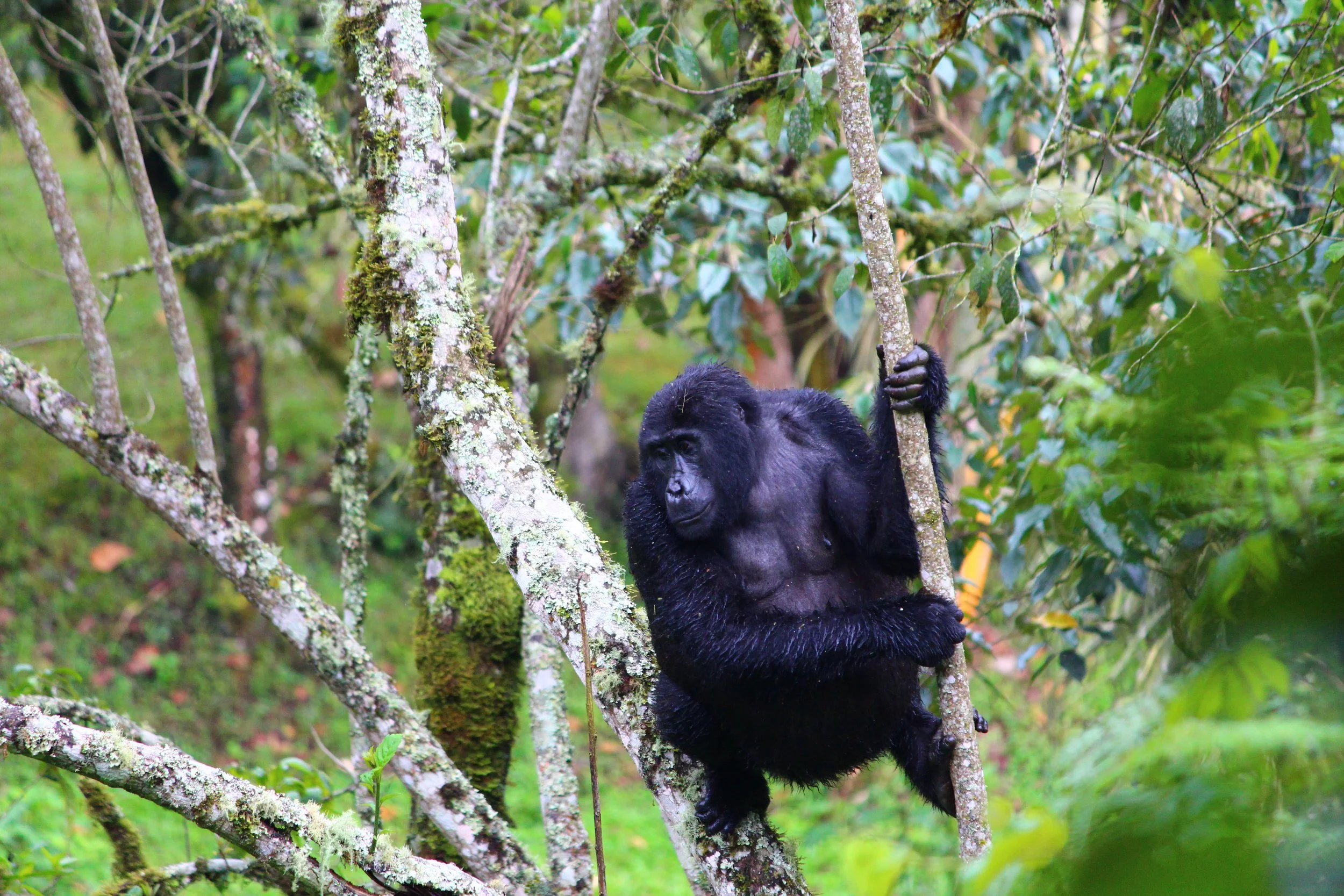
Experience Uganda's majestic high-canopy wildlife alongside the communities that protect them. Fully escorted private expeditions, transparent premium lodging, and guaranteed government permits—completely stress-free.
Immersive Gorilla Safaris in Uganda
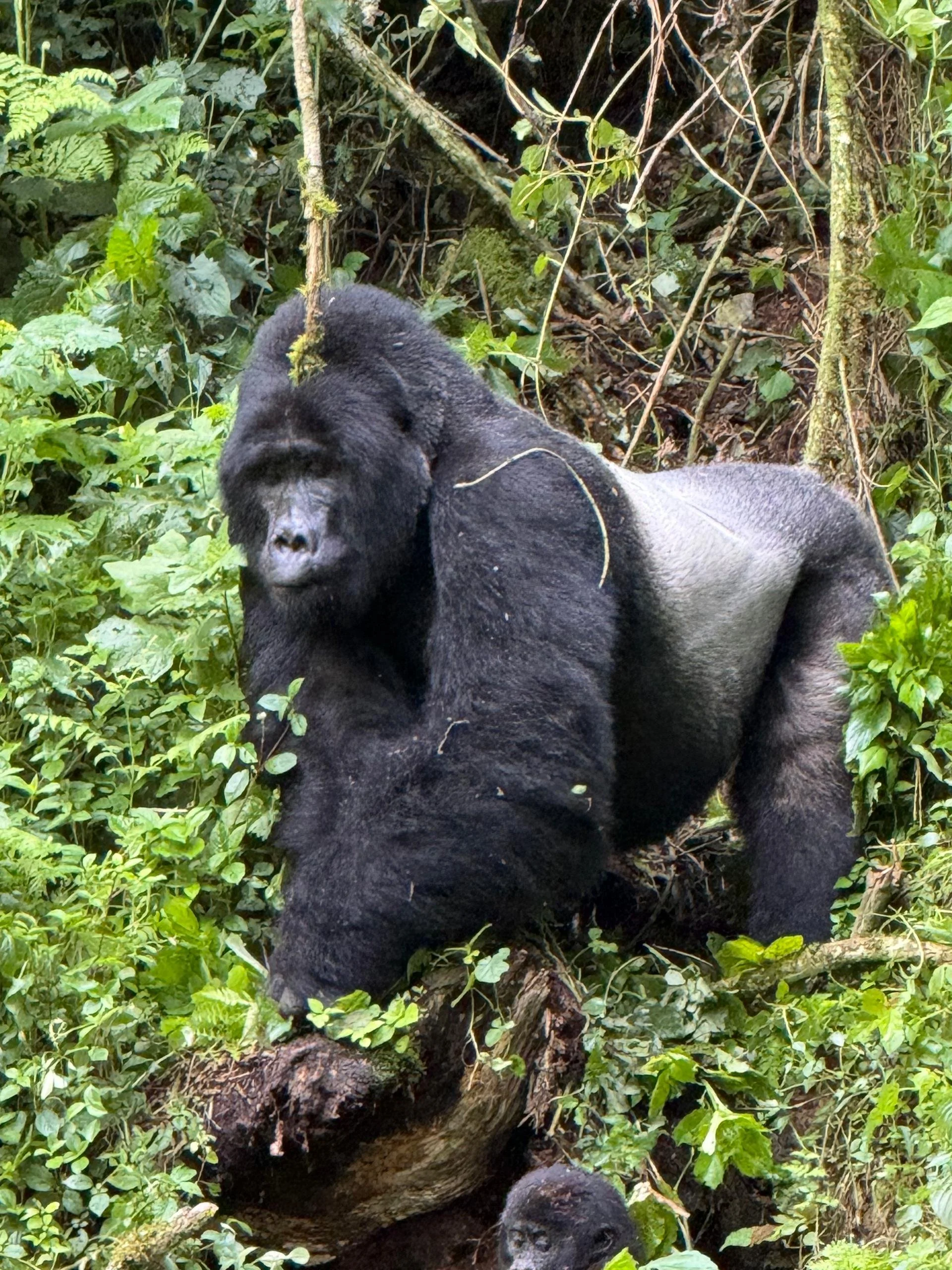
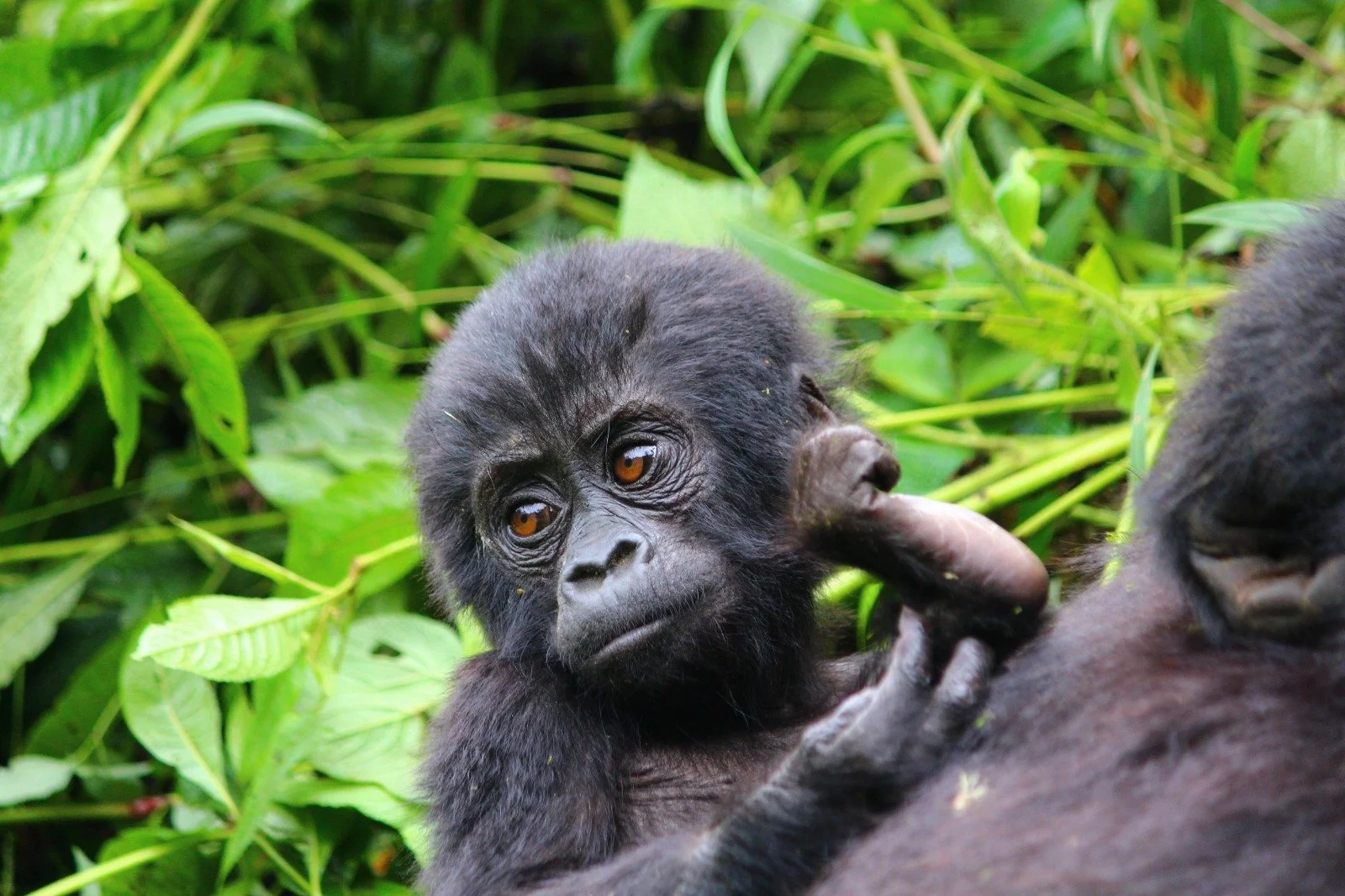
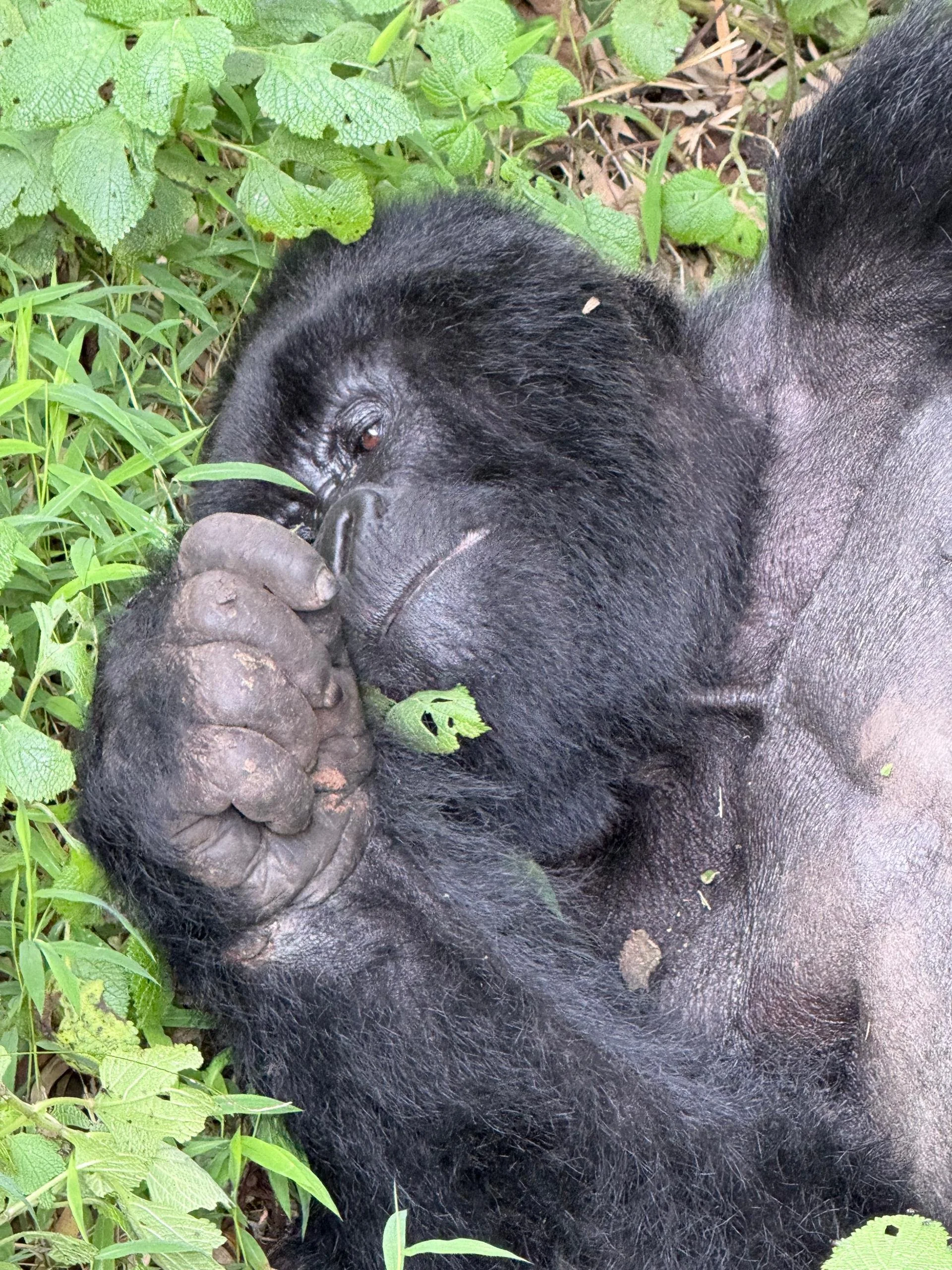
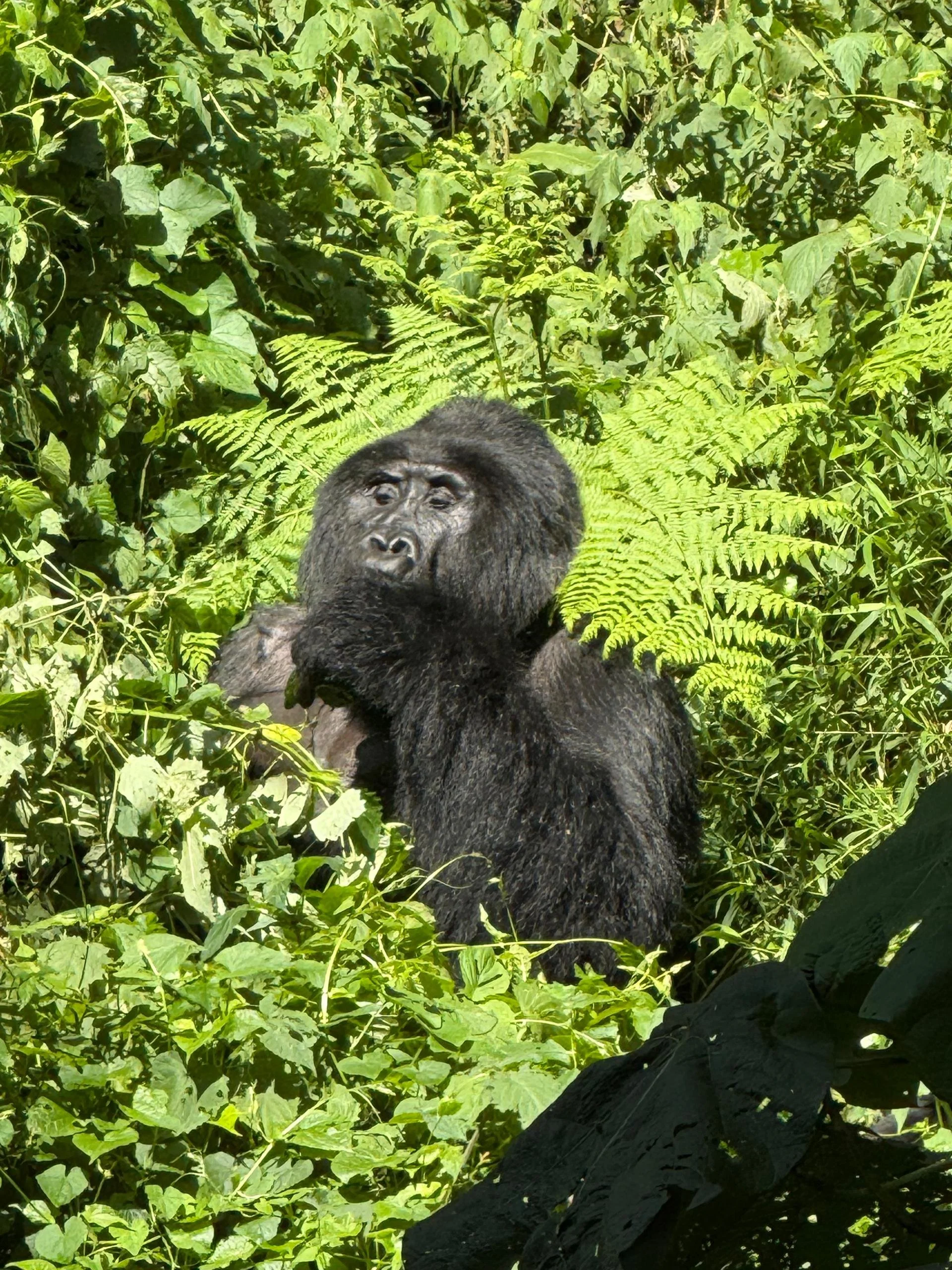
Gorillas are the largest living primates and among humanity's closest relatives, sharing about 98% of their DNA with humans. These magnificent animals inhabit the tropical forests of Central and East Africa and are known for their intelligence, social behaviour, and gentle nature. Despite their impressive size and strength, gorillas are generally peaceful animals that live in close-knit family groups.
There are two species of gorillas: the Eastern Gorilla and the Western Gorilla. The Eastern Gorilla includes the famous Mountain Gorilla, found in the forests of Uganda, Rwanda, and the Democratic Republic of Congo. Uganda is home to more than half of the world's remaining mountain gorillas, primarily in Bwindi Impenetrable National Park and Mgahinga Gorilla National Park.
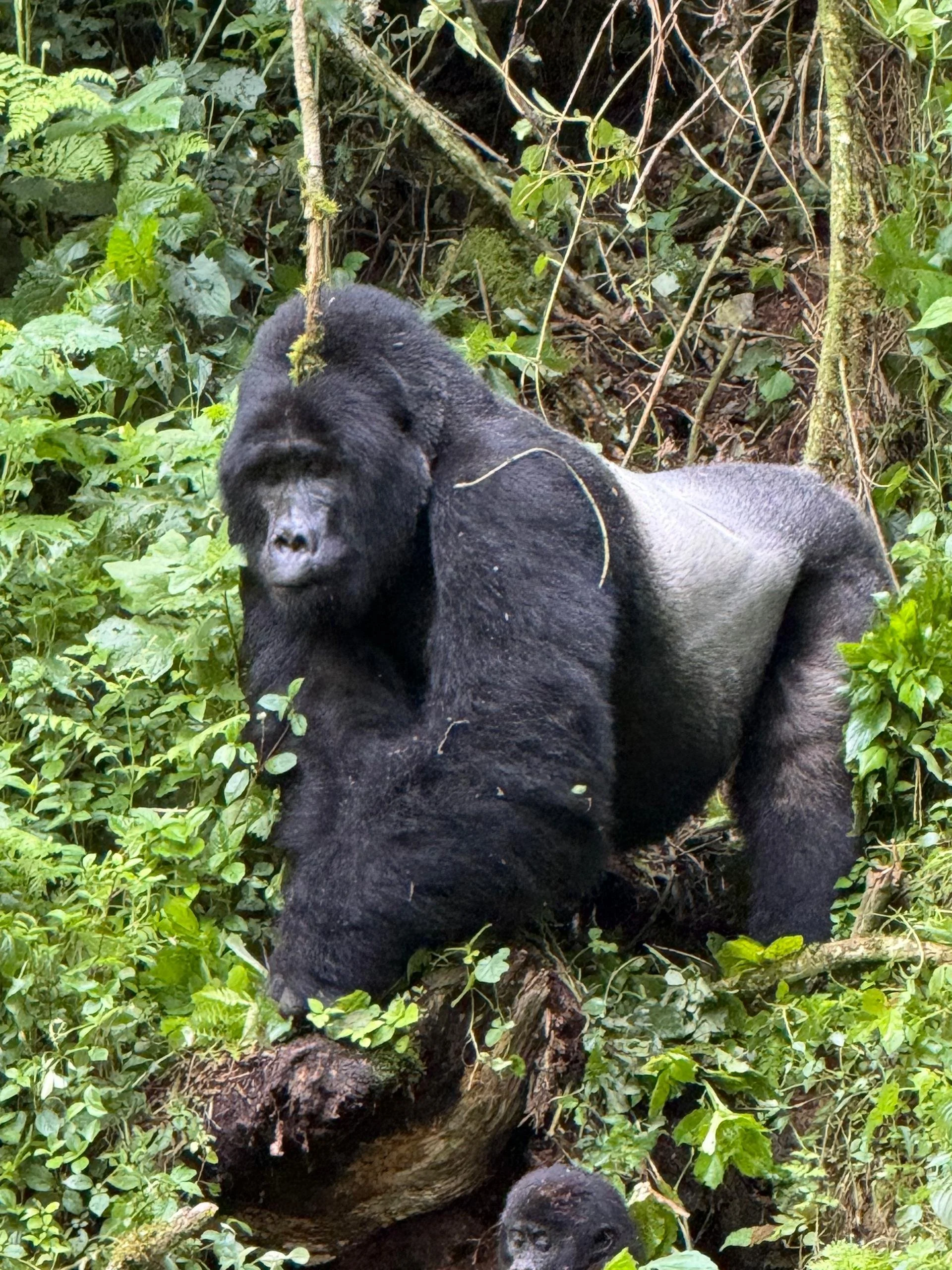
A gorilla family is led by a dominant adult male known as a silverback. The silverback earns its name from the distinctive silver hair that develops on its back as it matures. He is responsible for protecting the group, making decisions about movement and feeding, and resolving conflicts. Gorilla families typically consist of several females, their offspring, and sometimes subordinate males.
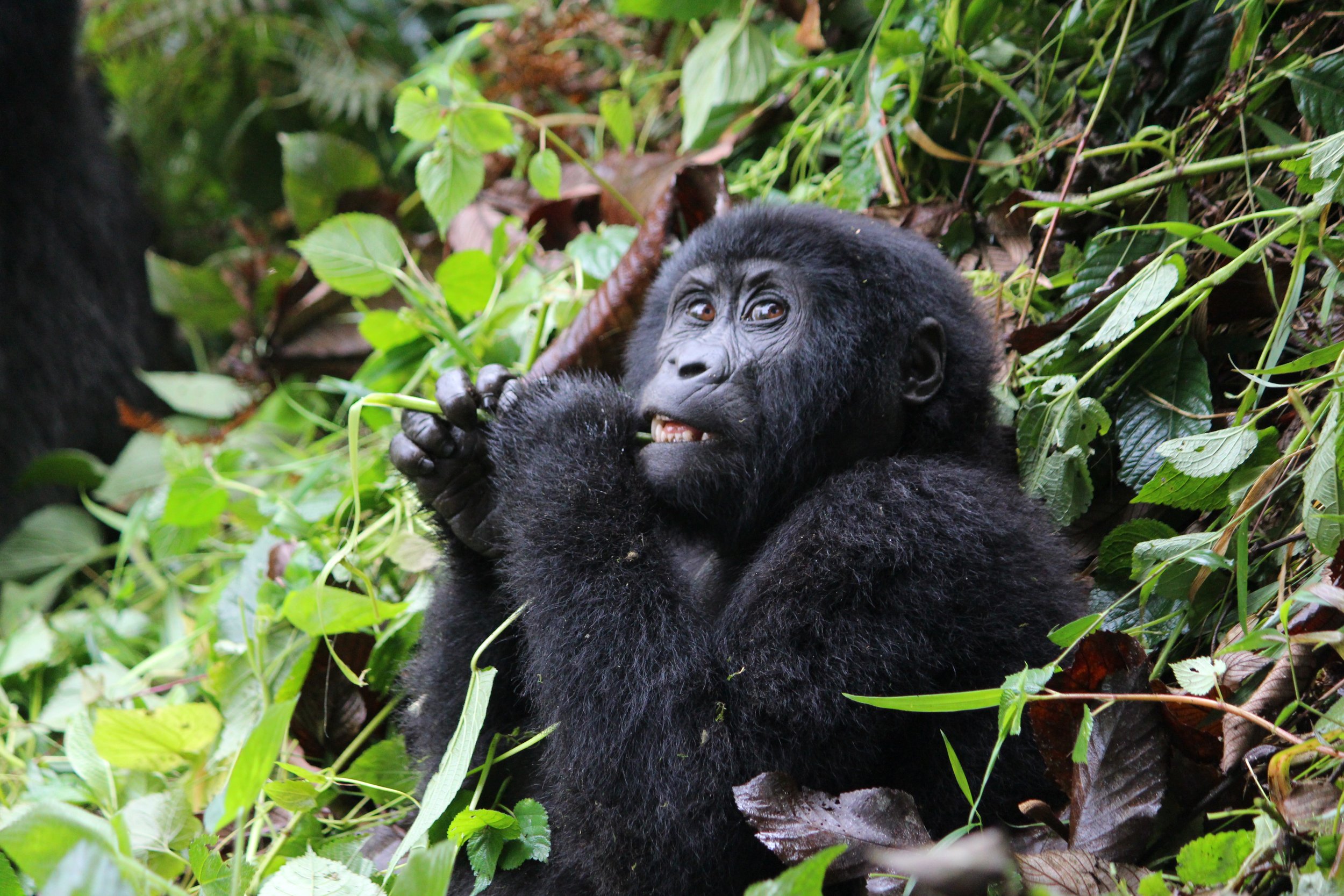
Gorillas are primarily herbivores, feeding on leaves, shoots, stems, roots, fruits, and bark. Mountain gorillas consume large quantities of vegetation every day, spending much of their time foraging in the forest. Their diet helps maintain healthy forest ecosystems by dispersing seeds and promoting plant growth.
One of the most fascinating aspects of gorillas is their intelligence. They use tools, communicate through a variety of vocalizations and body language, and display emotions such as affection, curiosity, playfulness, and grief. Mothers form strong bonds with their young, caring for them for several years until they become independent.
Despite conservation successes, gorillas still face threats from habitat loss, disease, poaching, and human-wildlife conflict. Intensive conservation programs, anti-poaching patrols, veterinary interventions, and community involvement have helped increase mountain gorilla populations over recent decades.
Gorillas are not only a symbol of Africa's rich biodiversity but also a testament to the importance of wildlife conservation. Protecting gorillas and their habitats ensures that future generations can continue to admire these extraordinary creatures and the forests they call home.
What Is Needed Before Gorilla Tracking
Before embarking on a gorilla tracking adventure in Uganda, visitors should prepare carefully to ensure a safe, enjoyable, and responsible experience. The most important requirement is a valid gorilla trekking permit, which must be booked in advance due to limited daily availability. Trekkers should also carry a valid passport or identification for permit verification.
Good physical fitness is recommended because trekking can take anywhere from one to eight hours through steep, muddy, and densely forested terrain. Wearing appropriate clothing is essential, including long-sleeved shirts, long trousers, waterproof hiking boots, and gardening gloves to protect against thorns and insects. A lightweight rain jacket is also advisable, as rain can occur at any time.
Packing essentials include drinking water, energy snacks, sunscreen, insect repellent, a hat, and a small backpack. A walking stick, usually provided at the park headquarters, can be very helpful on steep trails. Hiring a local porter is highly encouraged, as they assist with carrying bags and provide support on difficult sections of the trek while creating income for local communities.
To protect the endangered mountain gorillas, visitors must be at least 15 years old and should not participate if they have symptoms of contagious illnesses such as a cold or flu. During the trek, visitors must follow the ranger's instructions, maintain a minimum distance of 7 meters from the gorillas whenever possible, avoid loud noises, never feed the animals, and limit viewing time to one hour.
With proper preparation and respect for conservation guidelines, gorilla tracking becomes a once-in-a-lifetime wildlife experience while contributing directly to the protection of mountain gorillas and the livelihoods of surrounding communities.