The school Program
Addressing the Challenges Facing Children Near Uganda's Parks
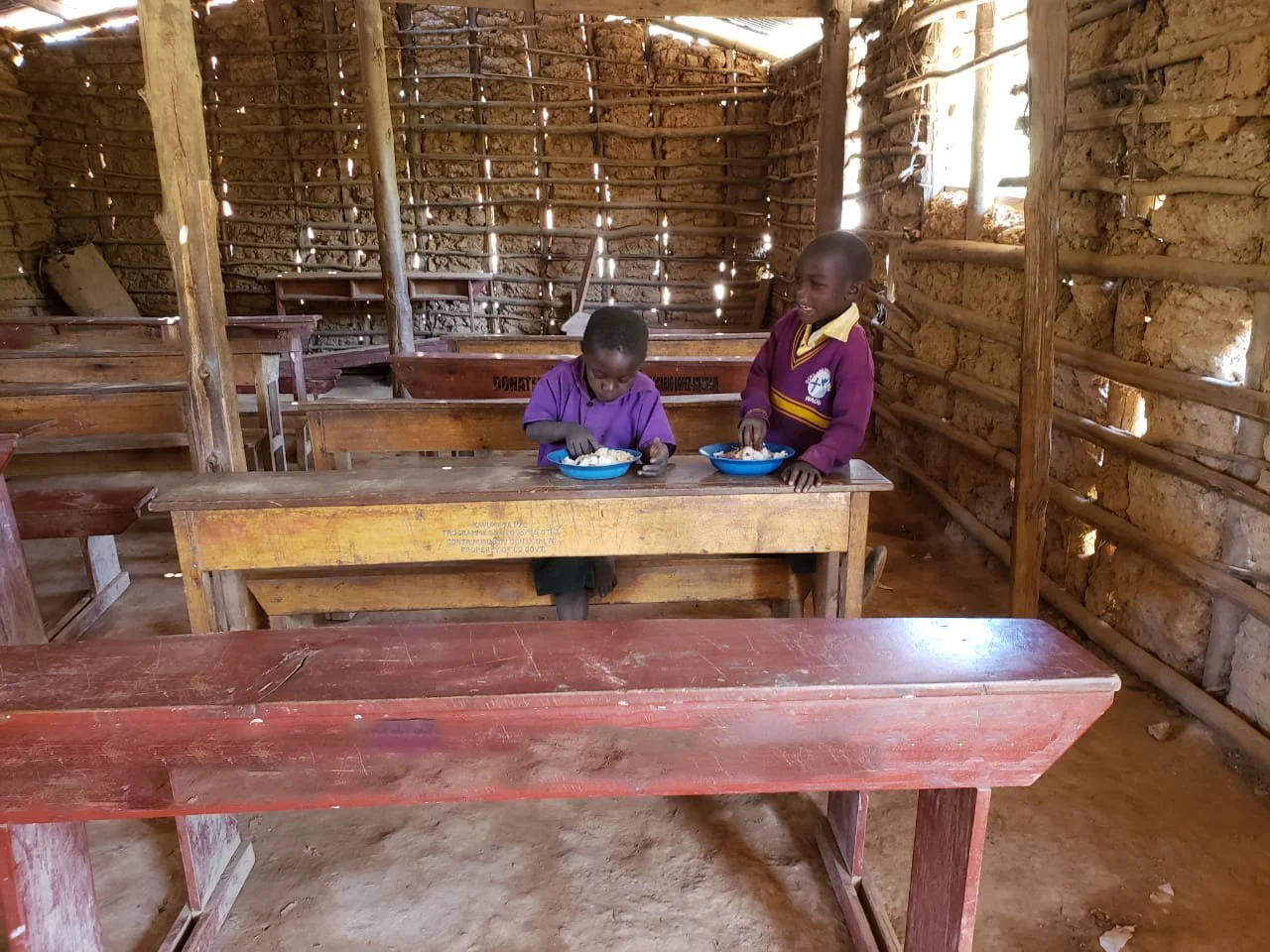
Children living in communities surrounding Bwindi Impenetrable National Park, Kibale National Park, and Queen Elizabeth National Park face numerous challenges that limit their access to quality education and opportunities for a better future. Many families depend on subsistence farming and tourism-related activities, yet household incomes remain low, making it difficult for parents to afford school fees, uniforms, books, and other learning materials. As a result, many children experience irregular school attendance, poor academic performance, and high dropout rates.
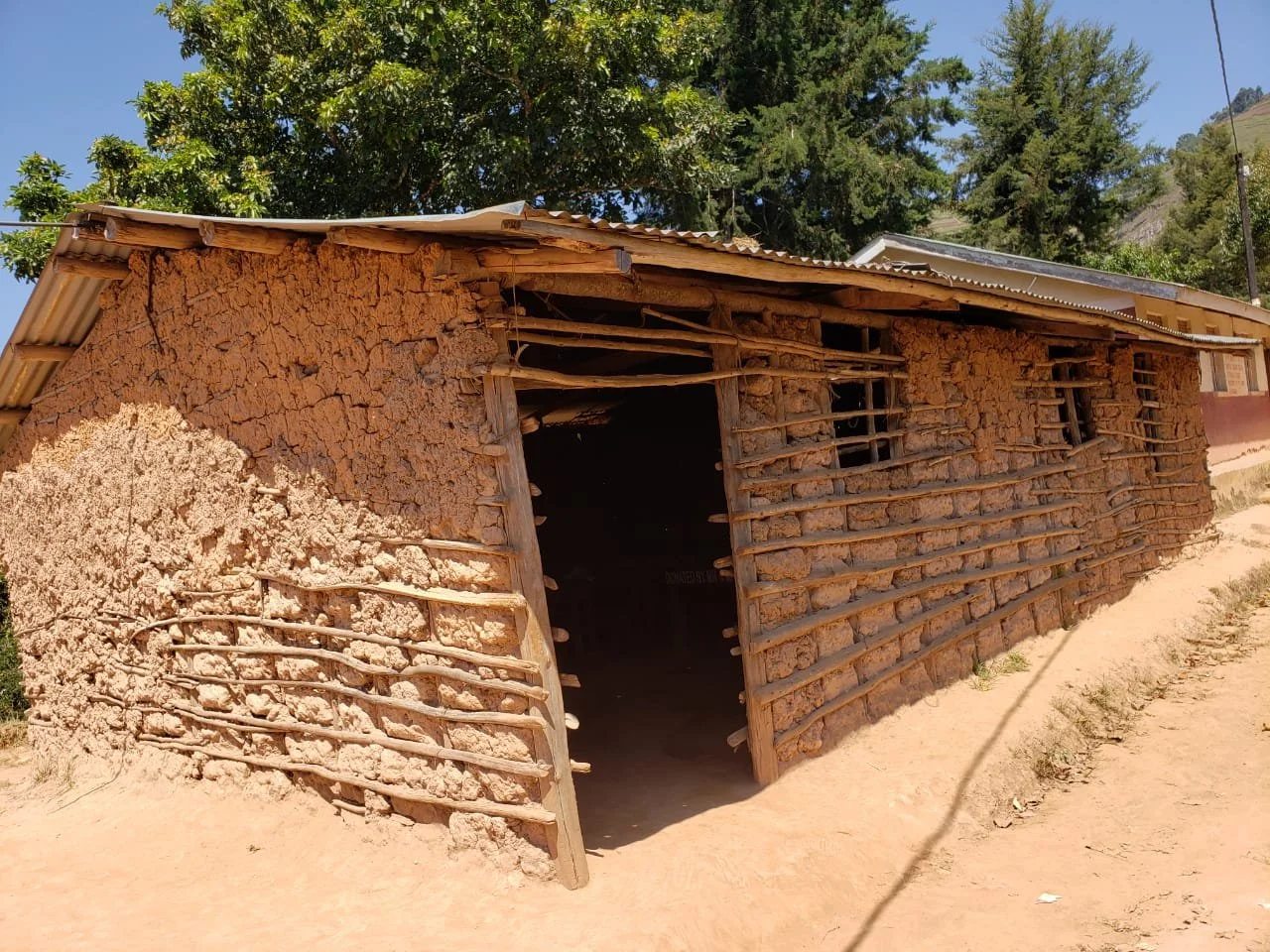
Dilapidated school structure
One of the most pressing challenges across these conservation areas is the lack of access to clean and safe water. Children, especially girls, often spend several hours each day walking long distances to fetch water for their families. This reduces the time available for studying and attending school. In some communities, unsafe water sources contribute to waterborne diseases, leading to frequent illness and absenteeism among school-going children.
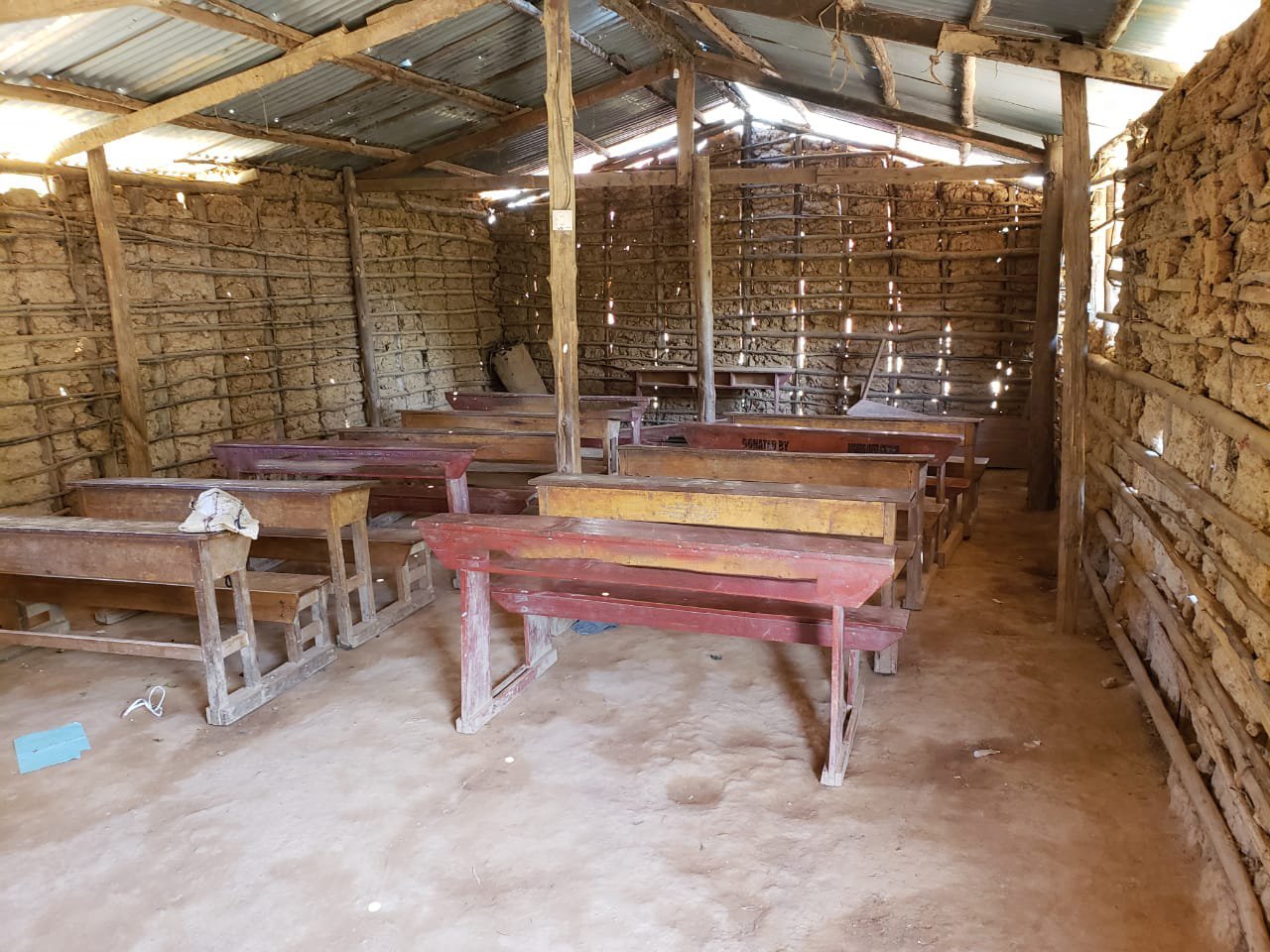
Schools in these areas also face shortages of classrooms, desks, sanitation facilities, and educational resources. Overcrowded classrooms and inadequate learning environments affect the quality of education. Additionally, some children face nutritional challenges, making it difficult to concentrate and perform well in school.
Harambee Gorilla Safaris can play a significant role in addressing these challenges by integrating tourism with community development initiatives. Through its community outreach programs, the company can support the construction of rainwater harvesting systems, protected springs, and community water tanks to improve access to clean water for schools and households. These projects would reduce the time children spend collecting water and improve their health and school attendance.
The company can also establish scholarship programs for vulnerable children, provide scholastic materials, and support school infrastructure development, including classrooms, libraries, and sanitation facilities. By partnering with local communities, conservation organizations, and schools, Harambee Gorilla Safaris can create educational awareness programs that promote both learning and environmental conservation.
Furthermore, tourism revenues can help support vocational training, mentorship programs, and environmental clubs that empower young people with practical skills and conservation knowledge. By investing in education and access to clean water, Harambee Gorilla Safaris can contribute to improved learning outcomes, stronger communities, and sustainable conservation efforts. This approach ensures that local communities directly benefit from tourism while raising a generation of educated and environmentally responsible citizens who will help protect Uganda's natural heritage for years to come.